Entity Profile
Silkworm
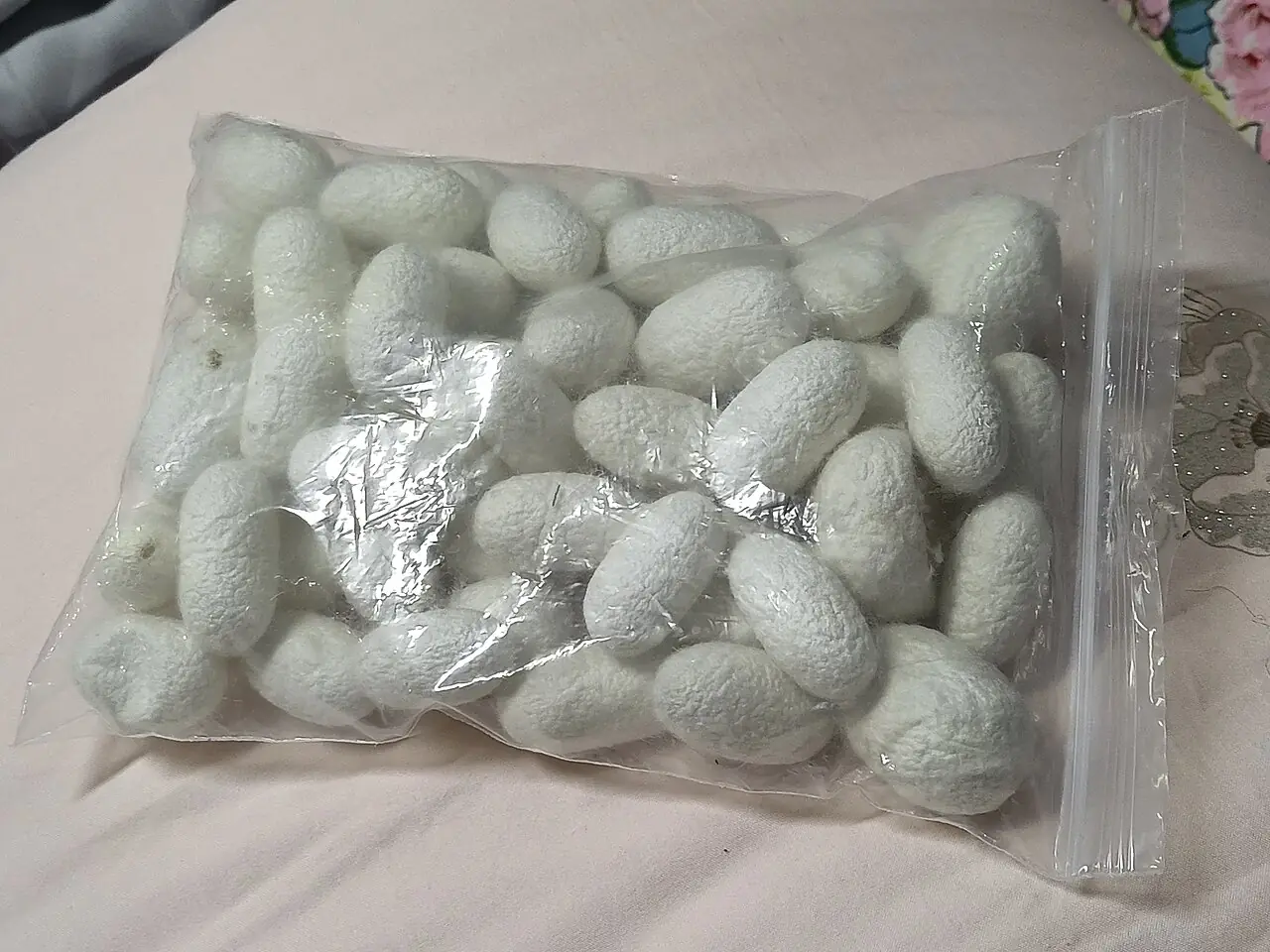
Silkworm (蚕, cán) is the larva (caterpillar) of the domestic silkmoth (Bombyx mori), an insect of the family Bombycidae
Animal
primary type
Level 1
Concrete entity
10
relationships mapped
Silkworm (蚕, cán) is the larva (caterpillar) of the domestic silkmoth (Bombyx mori), an insect of the family Bombycidae
Silkworm (蚕, cán) is the larva (caterpillar) of the domestic silkmoth (Bombyx mori), an insect of the family Bombycidae. The silkworm is one of the few truly domesticated insects—it no longer exists in the wild, having been bred in cultivation for several thousand years in China. The larva hatches from eggs smaller than a pinhead and, over a larval period of several weeks, increases its body weight by orders of magnitude by feeding on mulberry leaves. Its name derives from the fine silk filament it produces to construct its cocoon.
The silkworm's complete dependence on mulberry leaves—its exclusive food source—creates one of the most tightly coupled species relationships in agricultural history. Commercial sericulture synchronizes silkworm rearing cycles with the mulberry leaf growth season. The first spring cycle begins after the Spring Festival, as mulberry leaves emerge during the Grain Rain solar term. A second summer cycle follows the Summer Solstice. Silkworm rearing is central to the agricultural identity of Jiangnan, the region south of the Yangtze River where the classic mulberry-silkworm-silk production chain has defined rural life for millennia.
The cultural significance of the silkworm in East Asia is immense. It represents diligence, sacrifice, and transformation—the caterpillar's metamorphosis into a moth mirrors spiritual awakening, while the single continuous silk thread drawn from one cocoon, among the longest filaments measured in the animal kingdom, symbolizes unbroken dedication. The silkworm's relationship with silk is direct: each cocoon provides the raw material for one of humanity's most prized textiles. The entire cycle—from egg to moth, from mulberry leaf to silk robe—embodies the ecological intelligence of traditional agricultural systems, where waste is minimized and every output feeds another process.
Each relationship represents a meaningful semantic link between Silkworm and other entities in the Atlas knowledge graph.
Silkworm rearing is central to Jiangnan agriculture
View Jiangnan →Exclusive food source — mulberry leaves
View Mulberry →Mulberry leaves are silkworm's exclusive food
View Mulberry →Salt used in silkworm egg preservation
View Salt →Silkworm produces silk
View Silk →Soy sauce used in silkworm pupae dishes
View Soy Sauce →Silkworm rearing cycle starts after Spring Festival
View Spring Festival →These 24 solar terms mark when Silkworm appears, peaks, or transforms through the seasons.
Solar term #10 · Jun 20-22 · Fire
Summer silkworm rearing cycle
View on Dao of Seasons ↗Solar term #6 · Apr 19-21 · Earth
Spring silkworm rearing season
View on Dao of Seasons ↗These entities share semantic relationships with Silkworm in the Atlas knowledge graph.
Mulberry (桑树) is a genus of deciduous trees in the family Moraceae, native to warm temperate and subtropical regions of ...
Silk (丝绸, sīchóu) is a natural protein fiber produced by the silkworm (silkworm) (Bombyx mori) as it forms its cocoon
Jiangnan (江南, literally 'south of the Yangtze') is a culturally and historically rich region in southeastern China, enco ...
The Spring Festival, also known as Chinese New Year, is the most important traditional festival in Chinese culture. It m ...
Salt (盐) is a mineral composed primarily of sodium chloride (NaCl), the most fundamental seasoning in East Asian cuisine ...
Soy sauce (酱油) is a dark, salty fermented condiment made from four ingredients — soybeans, roasted wheat, salt, and wate ...
Silkworm (蚕) is the Atlas's most culturally significant insect—a fully domesticated species that no longer survives in the wild, having been bred in cultivation for several thousand years. Its mulberry diet and its production of a single continuous silk filament make it one of agriculture's most remarkable biological partners. In the Atlas it links the insect to the mulberry tree it feeds on, to the silk it produces, to the Jiangnan farms where it is reared, and to the ideas of diligence and transformation that its life cycle suggests.
In the Jiangnan tradition, silkworm rearing cycles are synchronized with the mulberry growing season—a first batch at Grain Rain and a second after the Summer Solstice.
The silkworm is among the small number of insects that have been fully domesticated, and its dependence on human care has few parallels among farmed animals.
The steady, continuous drawing of silk from a cocoon is the literal metaphor for silk-reeling practice.
https://www.britannica.com/animal/silkworm-moth
https://www.ars.usda.gov/
https://www.chinasilkmuseum.com/
Culinary science, seasonal eating, and ingredient knowledge. Owner of food-related entities and tea.
Owner since 2026-01-01