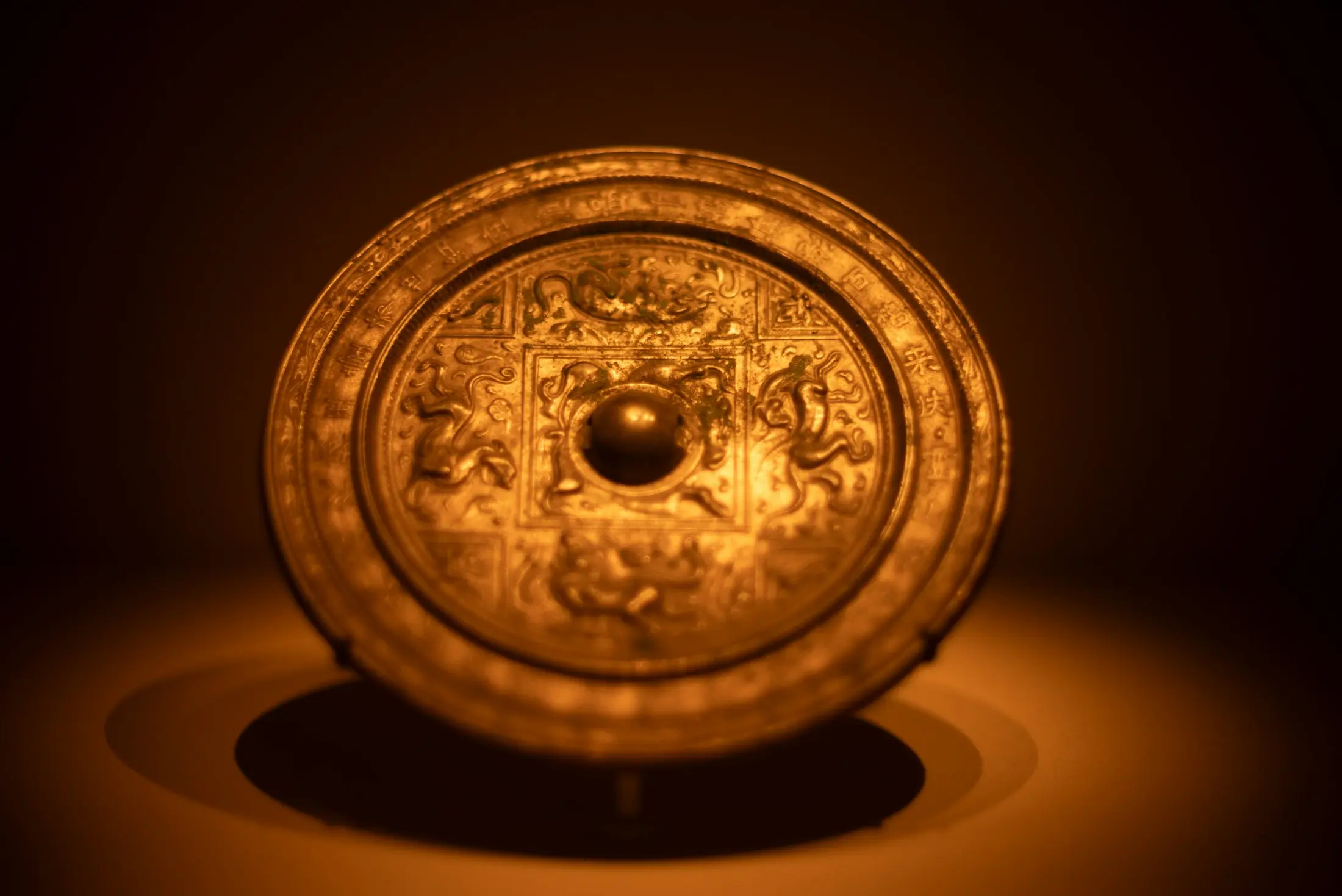
Ancient records and field observation behind the research layer
Research Layer

Research

Research is where the Atlas becomes testable. It is not an academic archive for its own sake. It is the evidence and observation layer that supports concepts, systems, and domains with durable knowledge.

六野
core research fields
三门
entry paths into the layer
可证
the Atlas becomes verifiable here
Botanical field observation behind the research layer
Entry by Question

Open this layer when “why” becomes unavoidable

Dao of Seasons tells you what to do now. Research is where you go when you need the deeper structure behind a signal, a crop stage, a movement shift, a migration, or a story pattern.

Field

Ecology, food science, botany, physiology, and cultural history.

Method

Observation, reference, comparison, and slower forms of verification.

Return

Strong research returns to a term, a system, or a concrete seasonal question.

Entry

Enter from a concept

Start with an idea like Seasonal Observation or Embodied Adaptation, then move into the field that supplies its evidence and examples.

Entry

Enter from a domain

If Food, Body, Earth, Story, or Wild Ones is already your pressure point, use Research to find the data and observation layer beneath it.

Entry

Enter from a seasonal question

Dao of Seasons tells you what to do now. Research is where you go when the next question is why it works.

Research Fields at a Glance

A Quick Reading Grid

Use this table when you want to move quickly from a research field to the Atlas layer it supports and the seasonal question it can answer.

Research fields, the Atlas layers they support, and the seasonal questions they answer
Research field Supports Seasonal questions it helps answer
Ecology & Landscapes Supports concepts like Ecological Intelligence and Seasonal Observation; gives Wild Ones and Earth their observational backbone. What is changing in the landscape right now? How do ecosystems respond to seasonal shifts?
Food & Nourishment Supports Seasonal Eating and Natural Timing; gives the Food System its evidence layer. Why this food now? How do ingredient cycles, flavor, and body response fit together?
Body & Movement Supports Embodied Adaptation and Rest as a Seasonal Practice; gives the Body System its physiological grounding. Why this movement now? How does the body respond differently across the year?
History & Traditions Supports Slow Knowledge and Seasonal Memory; gives the Story System its cultural and calendrical depth. What did people know before us? How was seasonal knowledge preserved and transmitted?
Animals & Kinship Supports More-Than-Human Attention and Threshold Attention; strengthens the Wild Ones domain. What animal signals mark the season? When do migrations, breeding, and emergence occur?
Plants & Botany Supports Seasonal Observation and Threshold Attention; gives Earth-system claims phenological evidence. When do plants bud, bloom, fruit, and dorm? What does each shift actually signal?
Ecology & Landscapes
Field
Research

Ecology & Landscapes

Ecology and Landscapes research investigates the structure and dynamics of natural systems — forests, watersheds, grasslands, and the relationships that sustain them.

Supports concepts like Ecological Intelligence and Seasonal Observation; gives Wild Ones and Earth their observational backbone.
Linked Atlas pages

What is changing in the landscape right now? How do ecosystems respond to seasonal shifts?

Food & Nourishment
Field
Research

Food & Nourishment

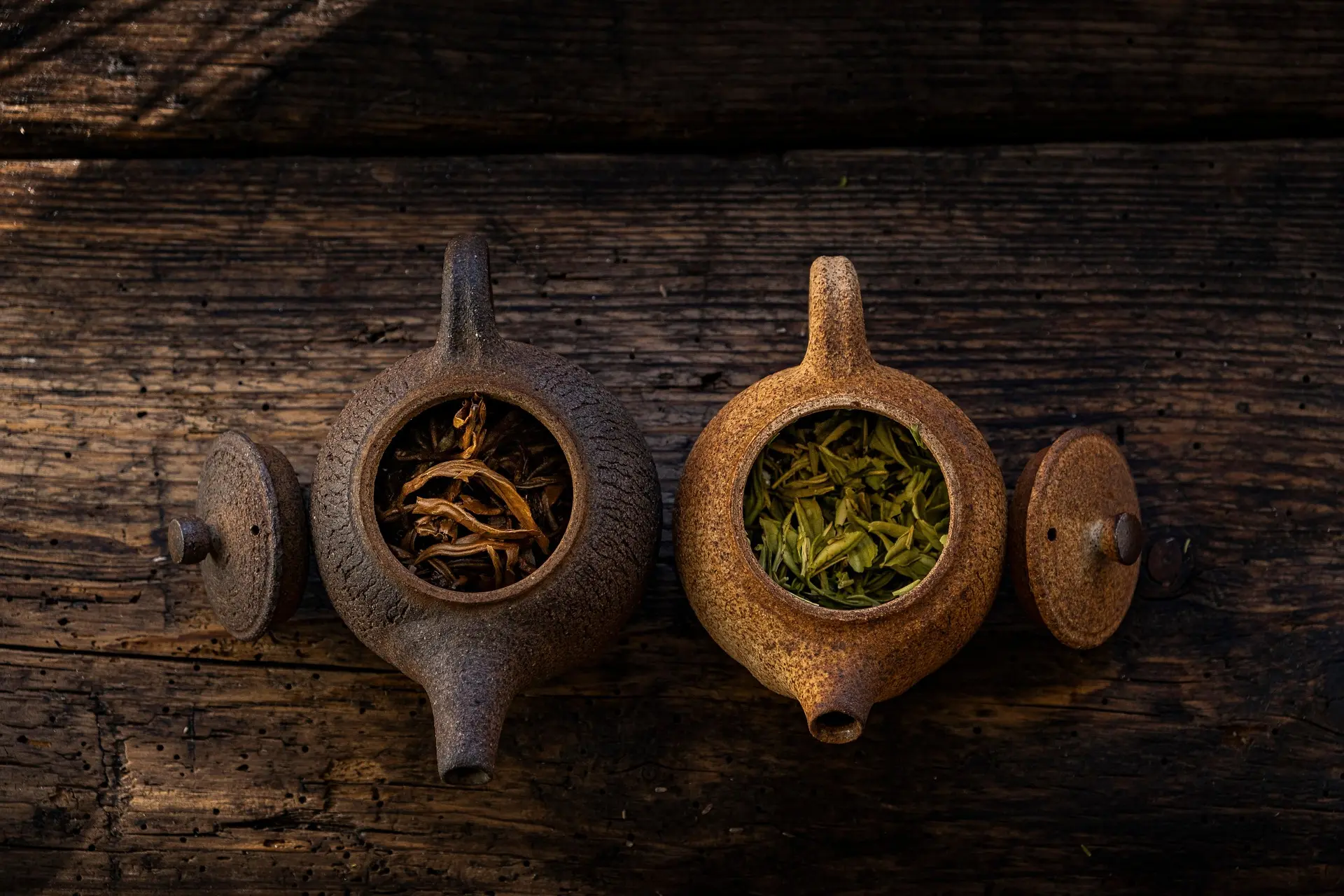
Food and Nourishment research investigates the cultural, chemical, and ecological dimensions of what we eat — from flavor science to seasonal ingredient cycles.

Supports Seasonal Eating and Natural Timing; gives the Food System its evidence layer.
Linked Atlas pages

Why this food now? How do ingredient cycles, flavor, and body response fit together?

Body & Movement
Field
Research

Body & Movement

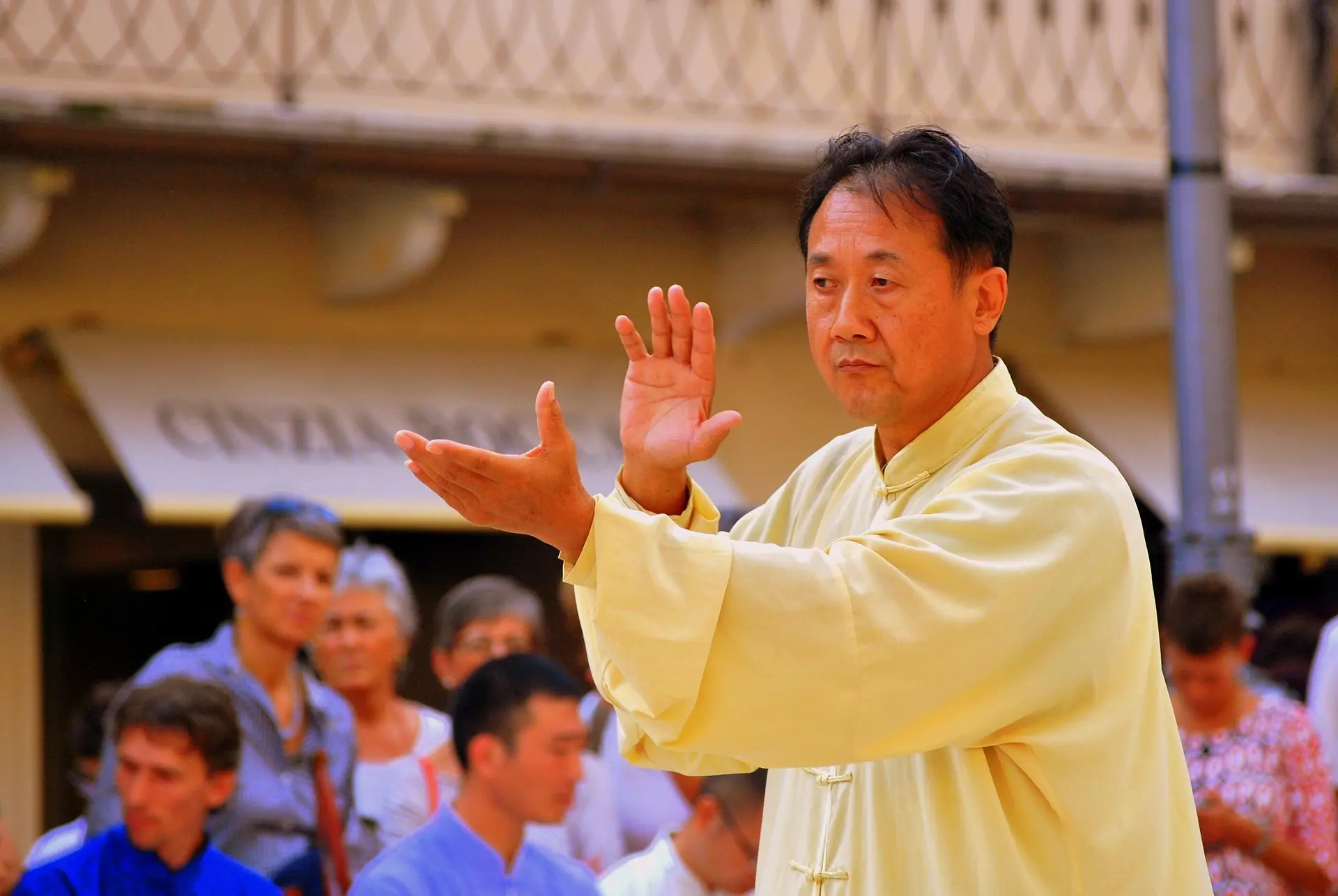
Body and Movement research investigates how human physical practice responds to light, temperature, humidity, and the body’s own seasonal rhythms.

Supports Embodied Adaptation and Rest as a Seasonal Practice; gives the Body System its physiological grounding.
Linked Atlas pages

Why this movement now? How does the body respond differently across the year?

History & Traditions
Field
Research

History & Traditions

History and Traditions research examines how cultures have understood and organized their relationship with nature across time.

Supports Slow Knowledge and Seasonal Memory; gives the Story System its cultural and calendrical depth.
Linked Atlas pages

What did people know before us? How was seasonal knowledge preserved and transmitted?

Animals & Kinship
Field
Research

Animals & Kinship

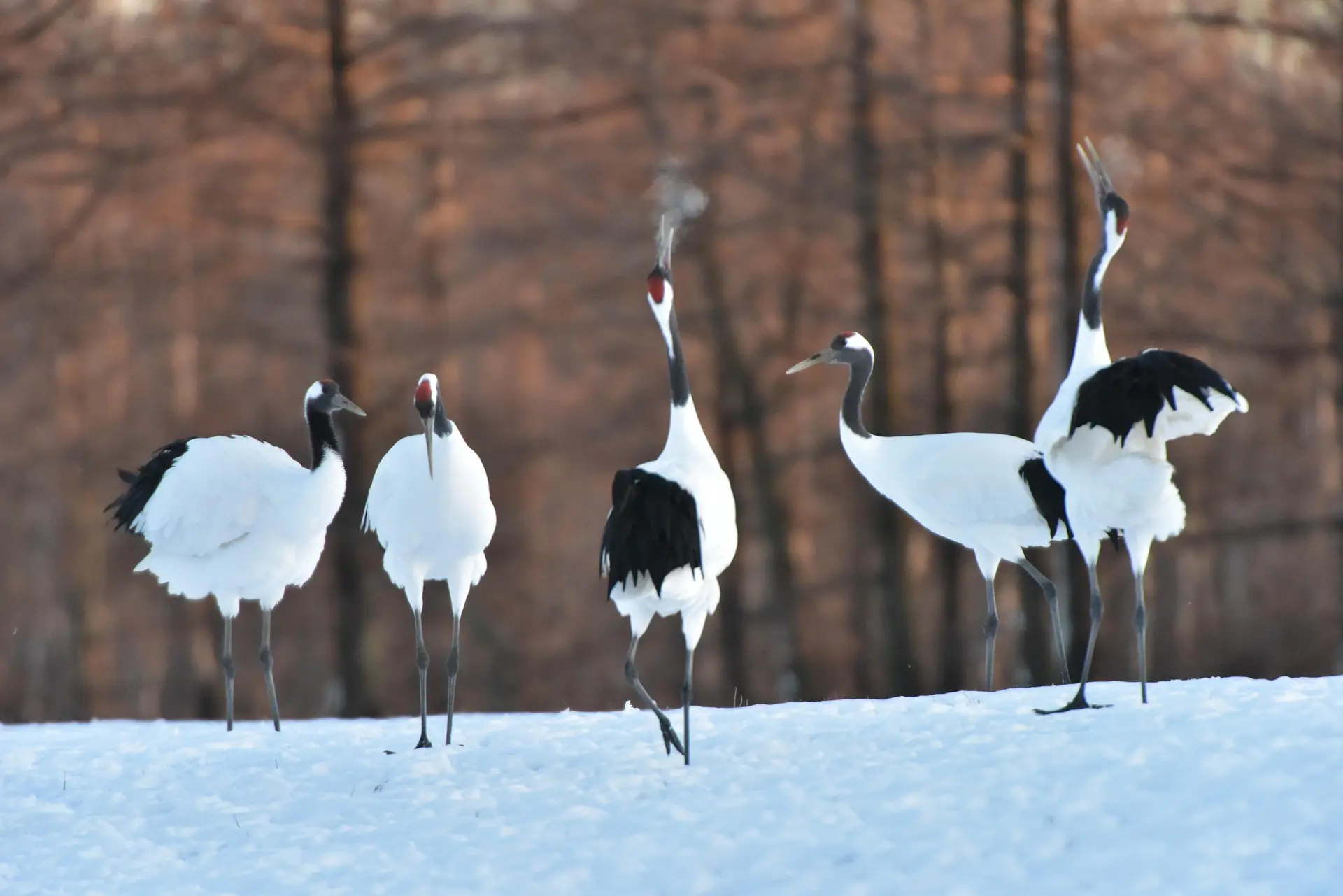
Animals and Kinship research studies animal behavior, ecology, and the cultural meanings humans attach to other species.

Supports More-Than-Human Attention and Threshold Attention; strengthens the Wild Ones domain.
Linked Atlas pages

What animal signals mark the season? When do migrations, breeding, and emergence occur?

Plants & Botany
Field
Research

Plants & Botany

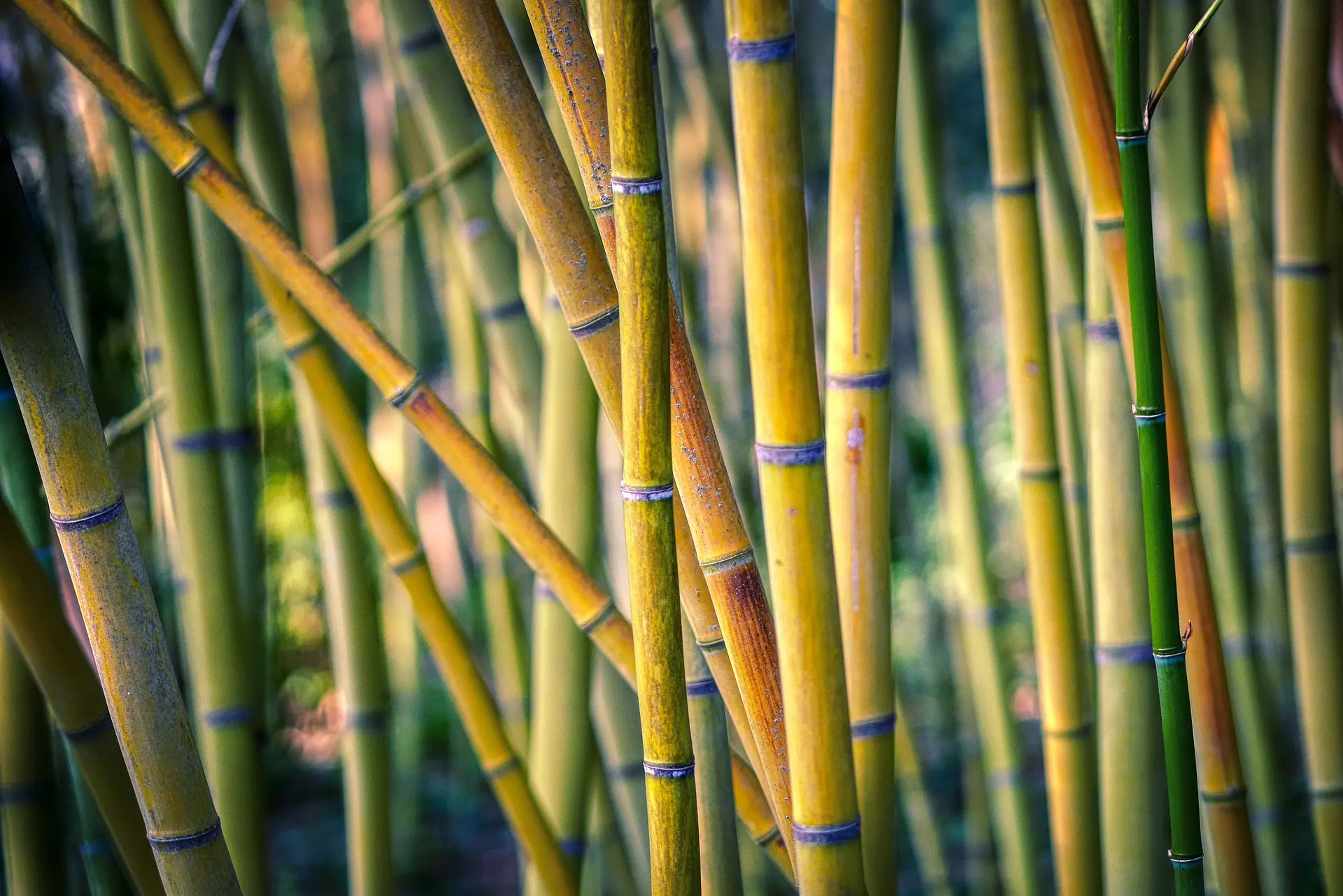
Plants and Botany research investigates plant life from multiple angles: ethnobotany, phenology, and cultivation.

Supports Seasonal Observation and Threshold Attention; gives Earth-system claims phenological evidence.
Linked Atlas pages

When do plants bud, bloom, fruit, and dorm? What does each shift actually signal?

Seasonal Questions

What This Layer Can Actually Answer

Why this food now?

Enter through Food & Nourishment when Dao points you to spring greens, cooling summer foods, fermentation, or harvest timing.

Open the field →

Why this movement now?

Enter through Body & Movement when the question is seasonal strain, recovery, stillness, breath, or why summer and winter practices diverge.

Open the field →

What is changing outside?

Enter through Ecology & Landscapes or Plants & Botany for the research beneath bud burst, migration, frost, flowering, and the more-than-human calendar.

Open the field →

What did people know before us?

Enter through History & Traditions when the next question is memory, transmission, calendrical inheritance, or story as a carrier of ecological knowledge.

Open the field →
Featured Research

Four Ways This Layer Feels in Practice

Further Reading

Authoritative Sources

NOAA National Weather Service

Meteorological data, frost/fog/dew formation physics, and seasonal weather patterns.

Cornell Lab of Ornithology

Bird migration data, species behavior, and phenological observation protocols.

FAO — Food and Agriculture Organization

Agricultural calendars, crop staging guides, and traditional farming systems documentation.

National Institutes of Health (NIH)

Physiology, thermoregulation, seasonal metabolic variation, and circadian/seasonal rhythms.