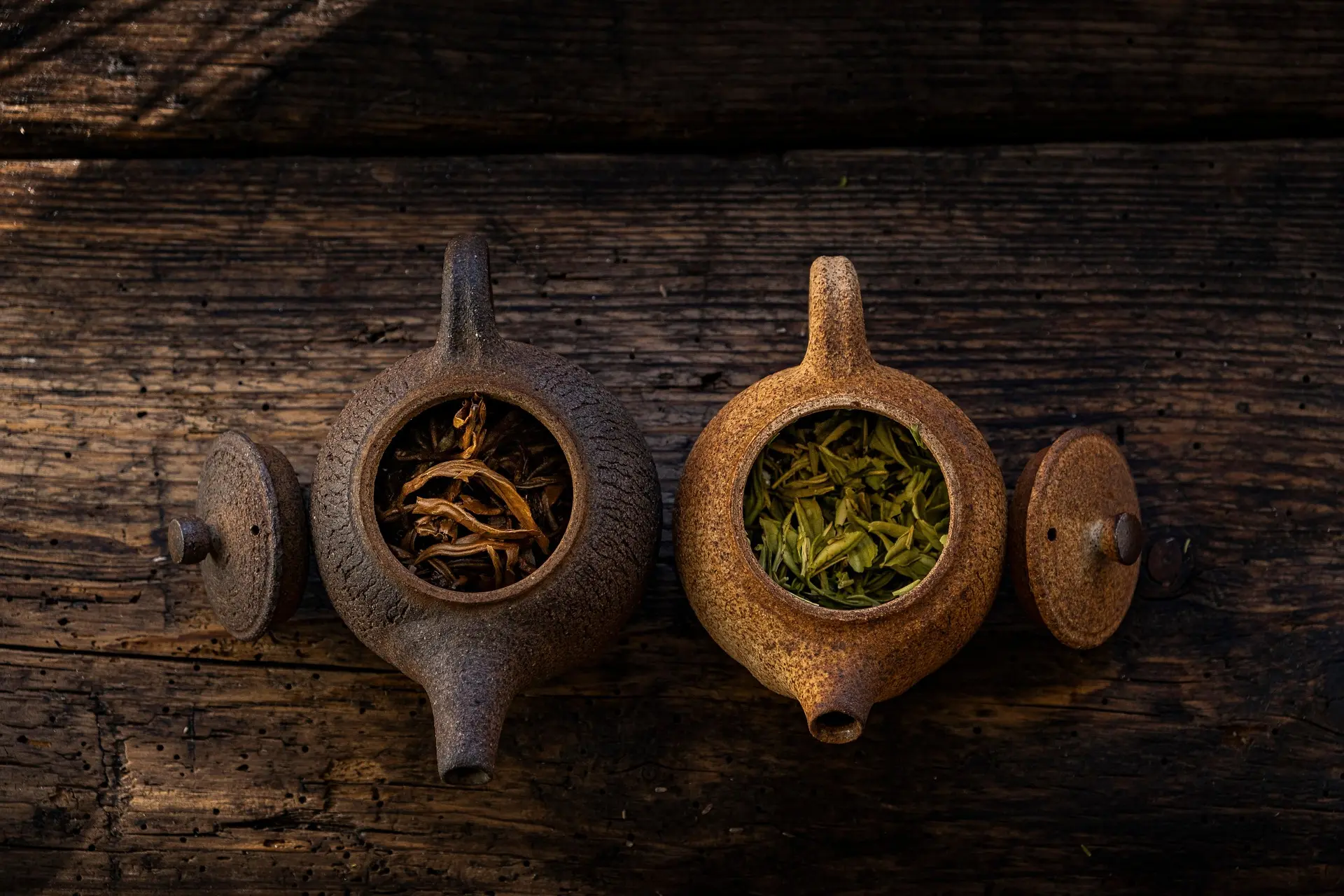
Food domain visual world
Knowledge Domain

Food

Taste · Nourishment · Culture

The Food domain investigates how what we eat connects to when we eat — seasonal ingredient cycles, traditional preparation methods, and the cultural intelligence embedded in cuisines that evolved alongside agricultural calendars.

4
core structural lenses
3
recommended reading paths
现时
always returns to the current term
Food seasonal world
Domain Framework

Food as a field of relation

A domain becomes useful when its internal structure is visible: what variables matter, what kinds of signals recur, and what forms of practice it connects back into.

Season

The master variable — what grows when determines what should be eaten when. Ingredient availability is a signal, not a preference.

Ingredient

Each season produces foods with specific properties: cooling in summer, warming in winter, light in spring, grounding in autumn.

Preparation

How food is cooked changes with season — quick and light in warm months, slow and deep in cold months. The method follows the ingredient.

Nourishment

Food is not fuel. It is information the body reads — seasonal eating supports the body's own seasonal responses rather than overriding them.

Continue Exploring

The Food System

Ingredient cycles, seasonal flavor, and preparation logic as an integrated syste

Missing Umami

Culinary science, seasonal eating, and ingredient knowledge.

Missing Umami

Put this knowledge into practice