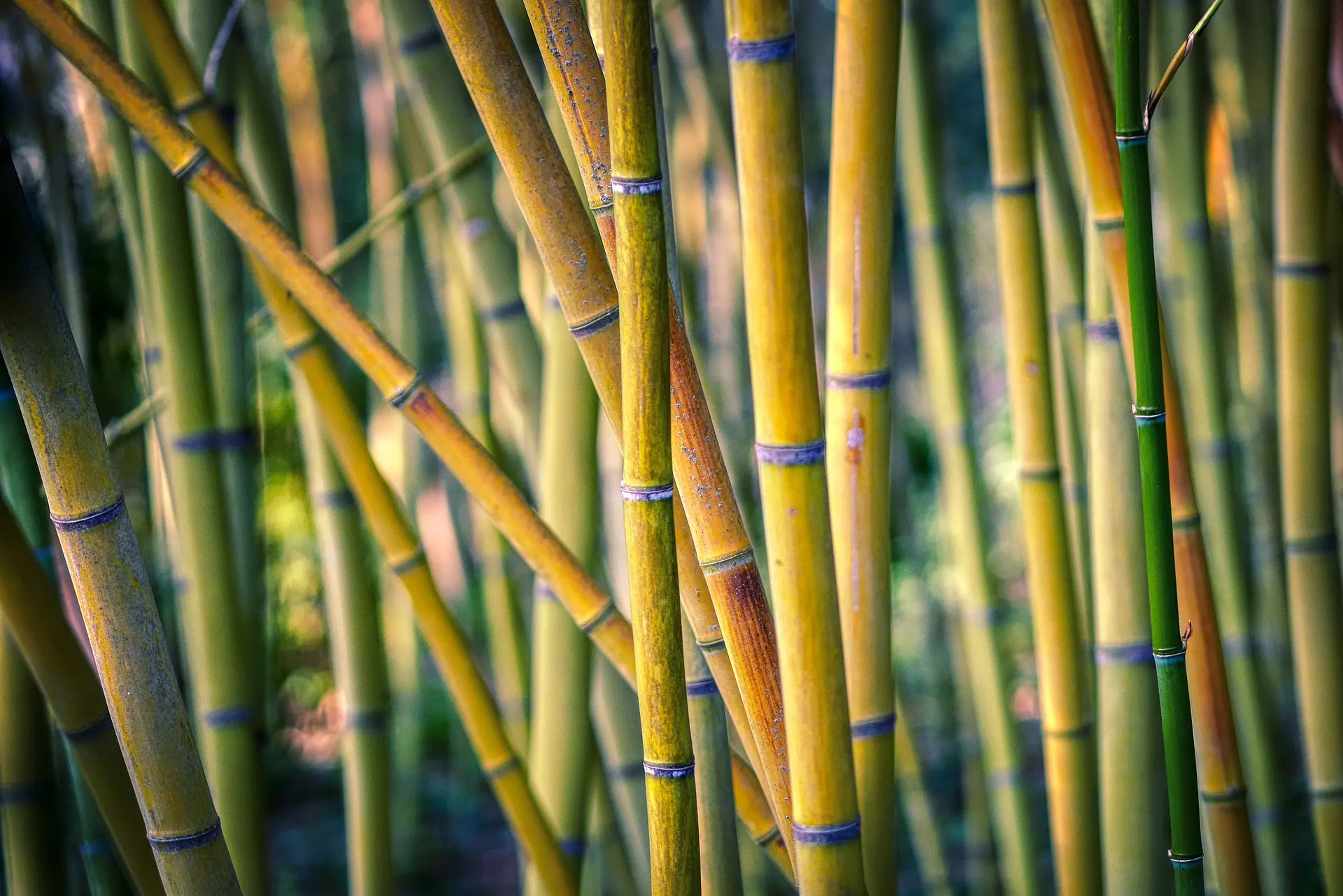
Botanical observation behind the concept layer
Concept Layer

Concepts

Concepts are the Atlas at its clearest. They are not essays floating in the air. They are the named ideas that let timing, ecology, adaptation, nourishment, and attention become intelligible.

13
core concept nodes
三组
major conceptual constellations
二十四
term bridges back to Dao
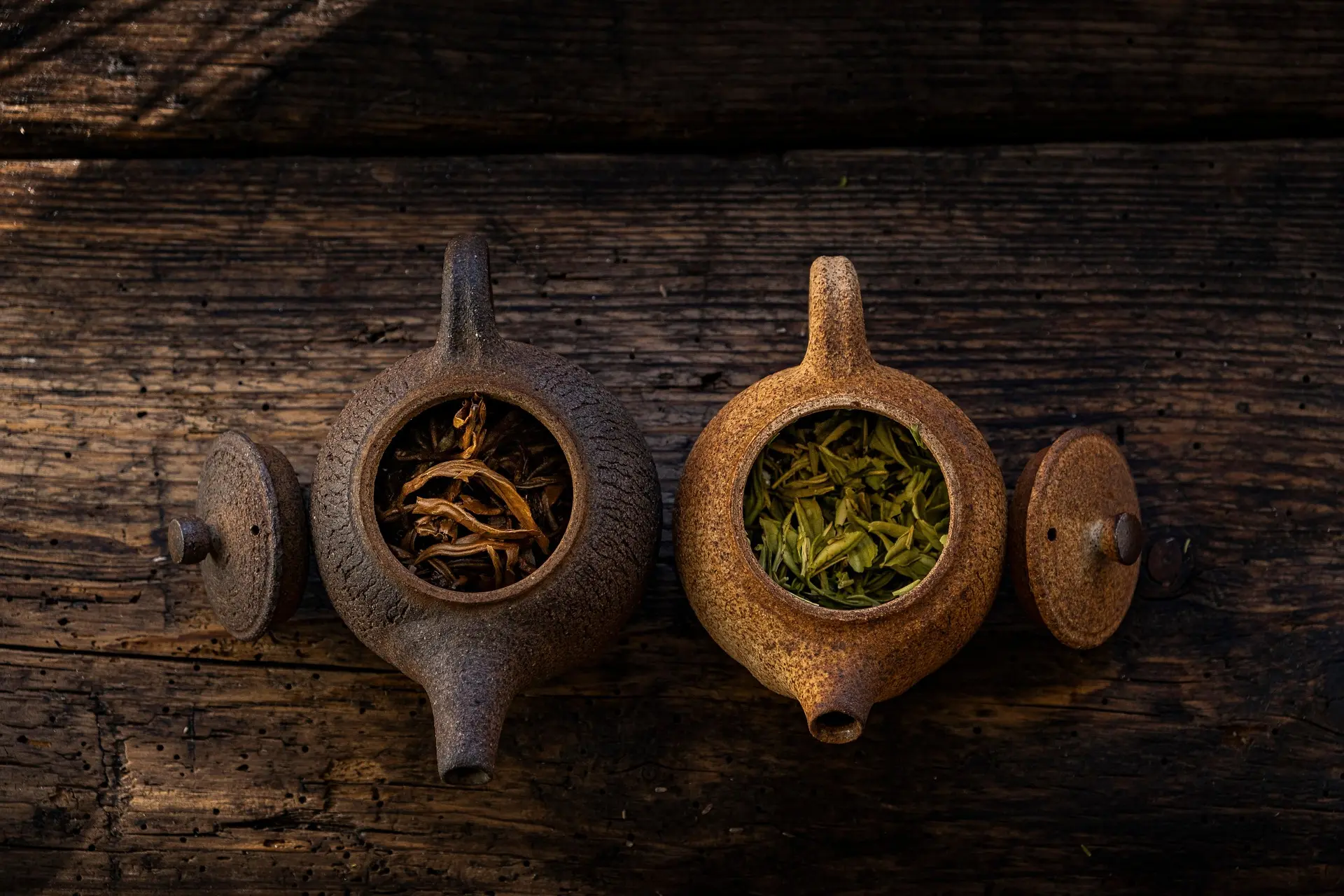
Seasonal food textures behind the concept layer
Three Constellations

Time, nourishment, and ecological attention

These concept clusters are not categories in a library. They are recurring ways that seasonal life becomes thinkable: through time, through body and food, and through the patient reading of the more-than-human world.

Time & Season

Natural timing, rhythm, seasonal living, and the way a year acquires shape.

Body & Food

Adaptation, nourishment, rest, and the practical intelligence of preparation.

Ecology & Knowledge

Observation, thresholds, slow knowledge, and the memory built by repeated return.

Define

One idea per page

A concept page should answer one question cleanly: what this idea is, why it matters, how it becomes visible, and where it connects.

Relate

Concepts are connectors

These pages are not essays floating in isolation. Each concept links domains, systems, and the seasonal prompts that make the idea usable.

Apply

Return to the term

Every strong concept becomes more concrete when it routes back into a current solar term, a movement practice, a kitchen pattern, or an observation task.

Entry Paths

How to Read This System

Start with time

Begin at Natural Timing. If you do not understand why when matters, everything else becomes lifestyle decoration instead of system logic.

Follow the pressure

If your attention is on food, movement, ecology, or memory, enter through the concept closest to the pressure you are actually feeling.

Return to practice

Each concept ultimately routes back to Dao of Seasons, where the abstract idea becomes a seasonal action you can actually test.