Definition
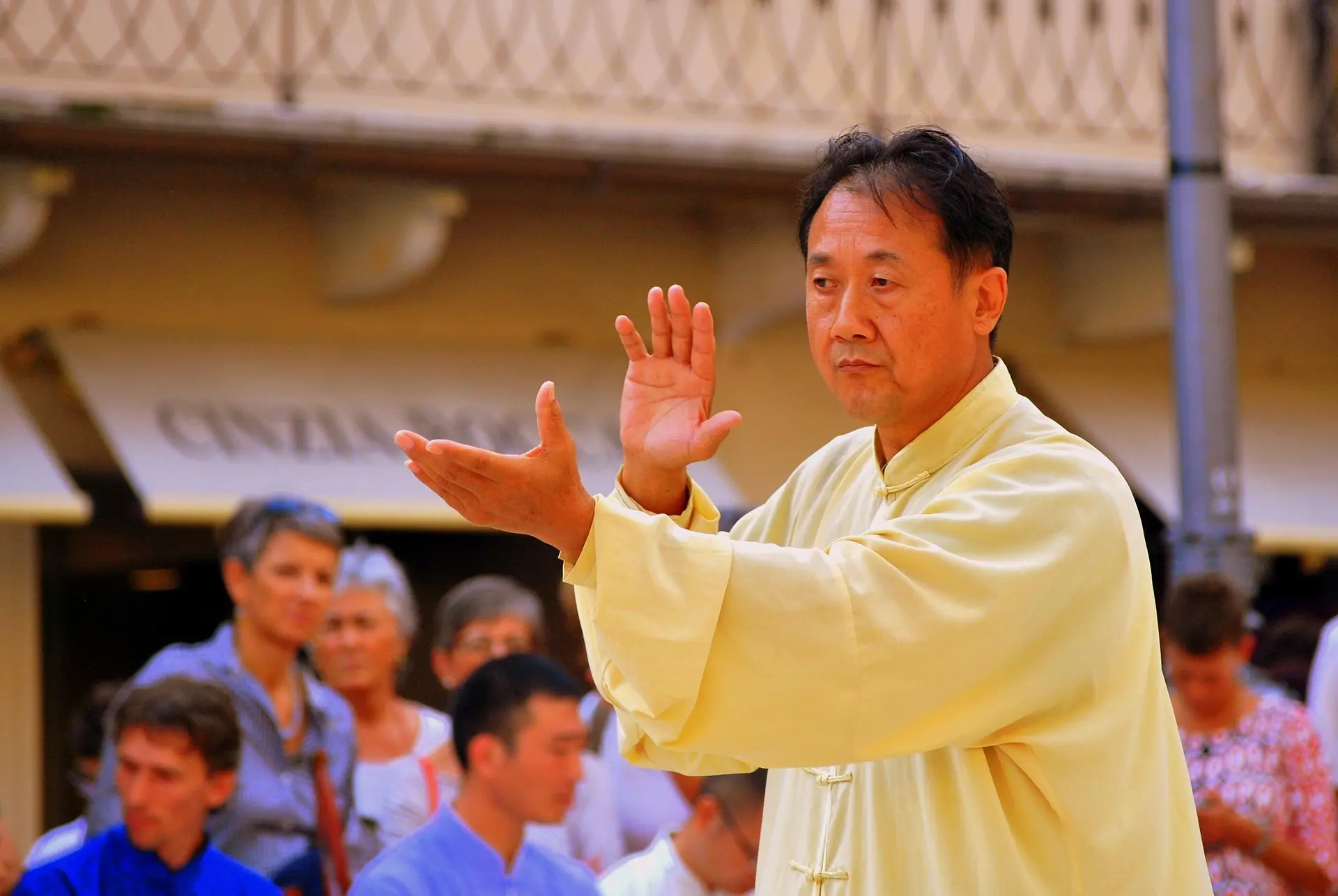
Embodied adaptation is the recognition that the body is a living system that changes with light, temperature, humidity, and its own seasonal rhythms — not a machine that performs identically in January and July.
Why It Matters
Modern fitness culture treats every day as equivalent — the same workout targets, the same diet, the same intensity regardless of season. But cold weather makes synovial fluid more viscous, requiring longer warm-ups. Heat increases cardiovascular strain, and short days may shift energy toward conservation. Ignoring these seasonal facts produces plateaus and injuries. Training that works with the body's rhythms feels intuitive — because it aligns with what the body is already trying to do.
How It Works
- Vary practice intensity across the year — expansion in spring, moderation in summer, consolidation in autumn, stillness in winter
- Match movement to the current solar term — what the body needs at Grain in Ear (heat dissipation) is the opposite of what it needs at Start of Winter (internal warming)
- Treat recovery as a seasonal phase — winter rest is not laziness but biological necessity, as fundamental to the cycle as spring growth
Where It Appears
Related Concepts
Practice Bridge
Each solar term on Dao of Seasons includes a Move action calibrated to the current seasonal energy: gentle stretches at Start of Spring, heat-dissipating qigong at Grain in Ear, restorative floor practice at Major Heat, and warming movement at Start of Winter. The practice changes because the body changes.
Modern fitness culture treats the body as a machine — same workout in January and July, same diet targets regardless of season, same assumption that consistency means never varying the routine. Embodied adaptation is the opposite perspective: the body is a living system that changes with light, temperature, humidity, and the body's own seasonal rhythms. What is good training in April may be harmful in August. What feels like laziness in December may be the body's correct response to reduced light and cold.
The Body Responds to Real Physical Conditions
This is not metaphor. Cold weather thickens synovial fluid in joints, requiring longer warm-ups. Short days reduce serotonin and shift energy toward conservation rather than output. Heat increases cardiovascular strain at lower exertion levels. These are physiological facts, not spiritual beliefs. Traditional movement systems — tai chi, qigong, yoga — account for them by varying practice intensity, duration, and emphasis through the year. Modern fitness culture ignores them in favor of standardized programming that treats every day as equivalent.
Spring Expansion, Winter Conservation
The Atlas maps embodied adaptation through the Body domain and the Body System essay. The framework is straightforward: spring calls for expansion — opening the chest, lengthening the limbs, moving outdoors after winter's contraction. Summer calls for moderation — sustaining energy through long, hot days without overheating. Autumn calls for consolidation — deeper breathing, slower movement, the body beginning its inward turn. Winter calls for stillness — internal practices, joint mobility, warmth preserved rather than spent.
Dao of Seasons provides the timing layer for this adaptation. Each solar term suggests a specific movement practice — not a full training program, but one thing you can do in ten minutes that is appropriate to the current seasonal energy. The practice at Grain Rain (gentle spinal twists, liver-soothing qigong) is different from the practice at Frost Descent (grounding standing postures, slow joint circles) because the body is different. Embodied adaptation means training responds to the body's actual condition, not to an arbitrary schedule.
How Adaptation Prevents Injury
This approach has a practical advantage that performance-oriented training lacks: it reduces injury. Most overuse injuries follow a seasonal pattern — they spike in early spring, when people push too hard after winter's relative stillness, and in late autumn, when cooling muscles are asked to perform at summer intensities. Embodied adaptation does not prevent injury through better form. It prevents injury by removing the mismatch between what the body can do and what the training demands that it do.
The Tai Chi Wuji subsite provides instructional depth for the practices the Atlas references. The goal is not to learn a complete system but to develop seasonal body awareness: the ability to notice, without external instruction, that today calls for a different kind of movement than last week. This is the literacy that embodied adaptation aims to build.
Continue Exploring
Live practice articles from Dao of Seasons and Missing Umami — relevant to this concept.
Warm Autumn Comforts — Pear Compote & Mushroom Hot Pot — Seasonal Food Guide
As autumn deepens toward winter, warming desserts and hearty one-pot meals support the body's transition — [Taoist seasonal wisdom](https://www.talesw…
Read → Current season guideAutumn Harvest Roasts — Root Vegetables & Lotus Root Soup — Seasonal Food Guide
As autumn arrives, the body shifts from cooling summer foods to warming, grounding dishes — [tai chi philosophy](https://www.taichiwuji.com/blog/core-…
Read → Current season guideEnd of Heat — Transitioning into Autumn Wellness — Seasonal Guide
End of Heat (Chushu, 处暑) is the 14th solar term — the shift from summer's damp-heat to autumn's dry-heat. Learn the science behind the Autumn Tiger, h…
Read → Current season guideBest Tea to Drink in Hot Weather — Science-Backed Summer Tea Guide — Seasonal Guide
When summer heat rises, the right tea can cool the body and restore balance. A science-backed guide to summer teas — from green and white to mint and …
Read → Current season guide