Wild Ones domain visual world
Knowledge Domain

Wild Ones

Animals · Ecology · Kinship

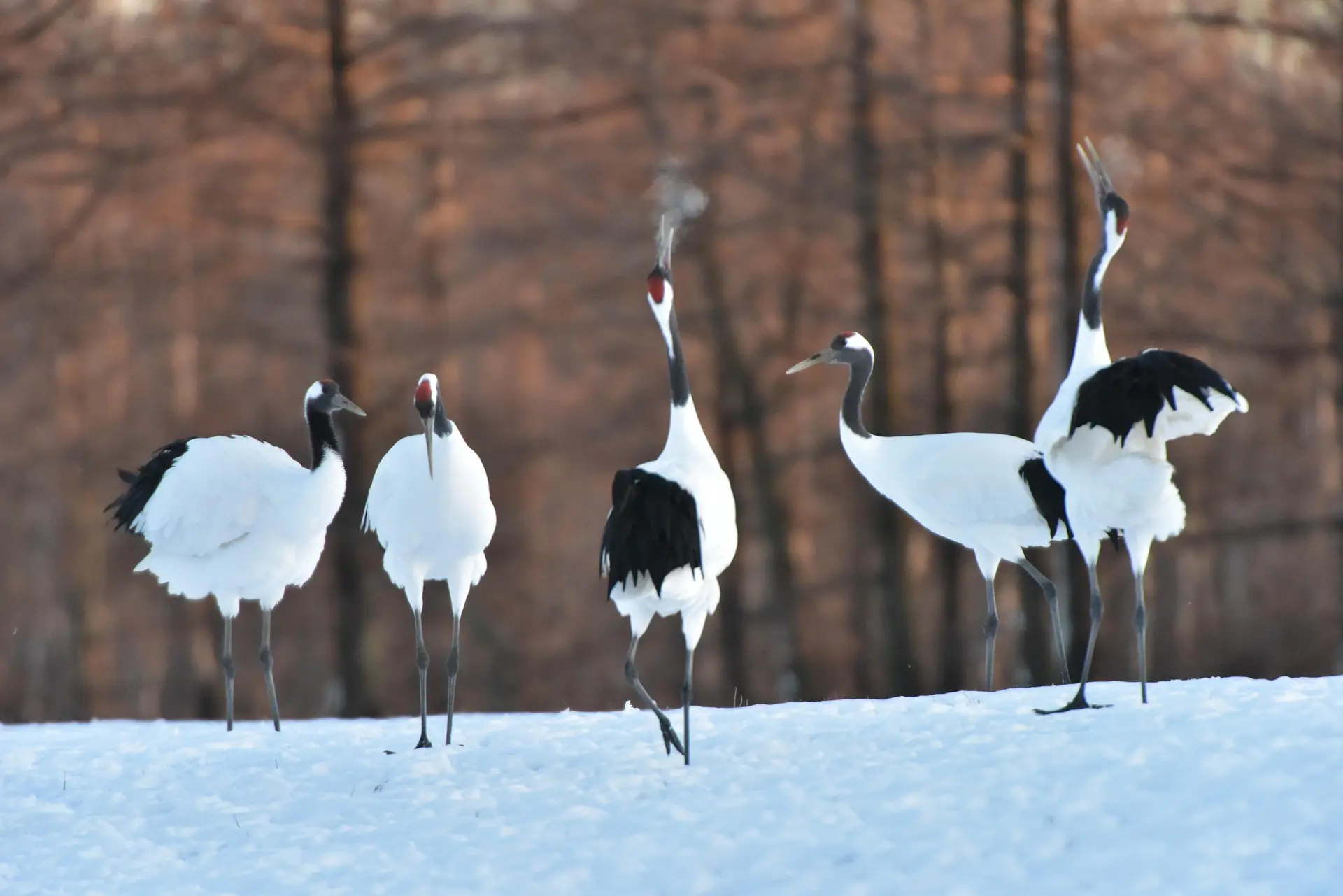
The Wild Ones domain studies the more-than-human world — animals, birds, insects, and the ecological systems they inhabit and shape. It treats other species not as objects of study but as fellow beings with their own forms of intelligence, seasonal rhythms, and modes of attention.

4
core structural lenses
3
recommended reading paths
现时
always returns to the current term
Wild Ones seasonal world
Domain Framework

Wild Ones as a field of relation

A domain becomes useful when its internal structure is visible: what variables matter, what kinds of signals recur, and what forms of practice it connects back into.

Signal

Every animal behavior is a signal — migration timing, breeding calls, feeding patterns — that encodes information about season, climate, and ecosystem health.

Attention

Learning to read animal signals requires a specific kind of attention — patient, repeated, non-extractive observation.

Behavior

The patterns of animal life — migration, hibernation, reproduction — follow seasonal clocks with precision that human calendars approximate.

Ecology

No species exists in isolation. Every animal signal is connected to plant cycles, weather patterns, and the broader web of seasonal relationships.

Continue Exploring

What is More-Than-Human Attention

Observing animals and plants as cognitive training.

Panda Common

Animal behavior, ecology, and conservation.

Panda Common

Put this knowledge into practice