Cork backdrop
Entity Profile

Cork

Artifact Level 1 — Concrete The Way of Nature Atlas ↗ #artifact #craft #tradition

Cork (软木, ruǎnmù) is a natural material harvested from the bark of the cork oak (Quercus suber), though in the East Asian context, cork-like materials have traditionally been derived from the bark of

Artifact
primary type
Level 1
Concrete entity
5
relationships mapped
Overview

About Cork

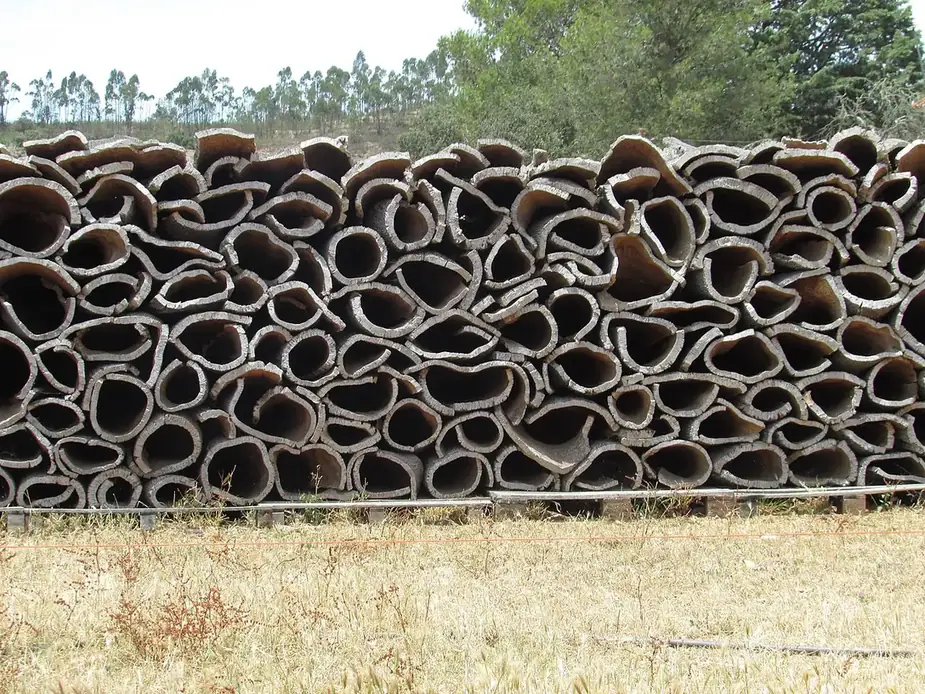
Cork (软木, ruǎnmù) is a natural material harvested from the bark of the cork oak (Quercus suber), though in the East Asian context, cork-like materials have traditionally been derived from the bark of certain native trees, including the cork tree (Phellodendron amurense) and the bark of the Chinese cork oak (Quercus variabilis). Cork is characterized by its cellular structure: millions of tiny, air-filled chambers per cubic centimeter, making it exceptionally lightweight, buoyant, compressible, and impermeable to liquids and gases.

Cork harvesting exemplifies sustainable resource management—the bark regenerates every 9-12 years without harming the tree, making it one of the oldest continuously renewable materials in human use. In traditional East Asian practice, cork has been used for a range of purposes: as bottle stoppers for fermented beverages, as floatation devices for fishing nets, as insulation material, and as flooring in traditional buildings where its natural acoustic properties were valued. Its relationship with fermentation (fermentation) is particularly significant—cork's impermeability makes it ideal for sealing vessels of fermented soy sauce, rice wine, and vinegar, preserving their quality during aging.

The cultural and ecological significance of cork aligns with the principles of natural timing (natural-timing) and ecological intelligence (ecological-intelligence). Cork harvesting follows the rhythms of the tree's growth cycle—removing bark only during the active growing season when the cork layer separates cleanly from the inner bark. As a natural, biodegradable material, cork represents a design philosophy of working with, rather than against, biological processes. In contemporary sustainability discourse, cork stands as an alternative to synthetic materials, connecting traditional material wisdom with modern environmental consciousness.

---

---
Relationship Network

How Cork connects

Each relationship represents a meaningful semantic link between Cork and other entities in the Atlas knowledge graph.

Entity Constellation

Entities connected to Cork

These entities share semantic relationships with Cork in the Atlas knowledge graph.

Atlas Role

Cork in the Atlas

What this entity provides

Cork (软木) is the Atlas's example of sustainable material intelligence: a renewable bark harvested without harming the tree, whose impermeability makes it essential for sealing fermented products. It connects the Practice of fermentation with the Artifact domain, demonstrating how natural material properties (buoyancy, compressibility, impermeability) serve human preservation needs.

What it does NOT duplicate
  • fermentation (发酵)—which is the microbial process, not the sealing material
  • bamboo-basket—another natural-material artifact but woven rather than harvested as bark
Subsite References
missing-umami

Cork stoppers are the unsung enabler of aged soy sauce, rice wine, and vinegar—the bottle seal that allows umami to develop over time.

dao-of-seasons

Cork harvesting follows the tree's growth cycle—bark separates cleanly only during the active growing season.

Sources & References

References for Cork

Visual Gallery

Cork in imagery

Cork — visual reference
Watch

See Cork in motion

Business Insider and Insider · 14.9M views · YouTube ↗

Owner Site

The Way of Nature Atlas

Central Atlas — provides Overview pages for all entities. Does not produce original entity content, only aggregates and references.

ConceptCraftMountainRiverFestival