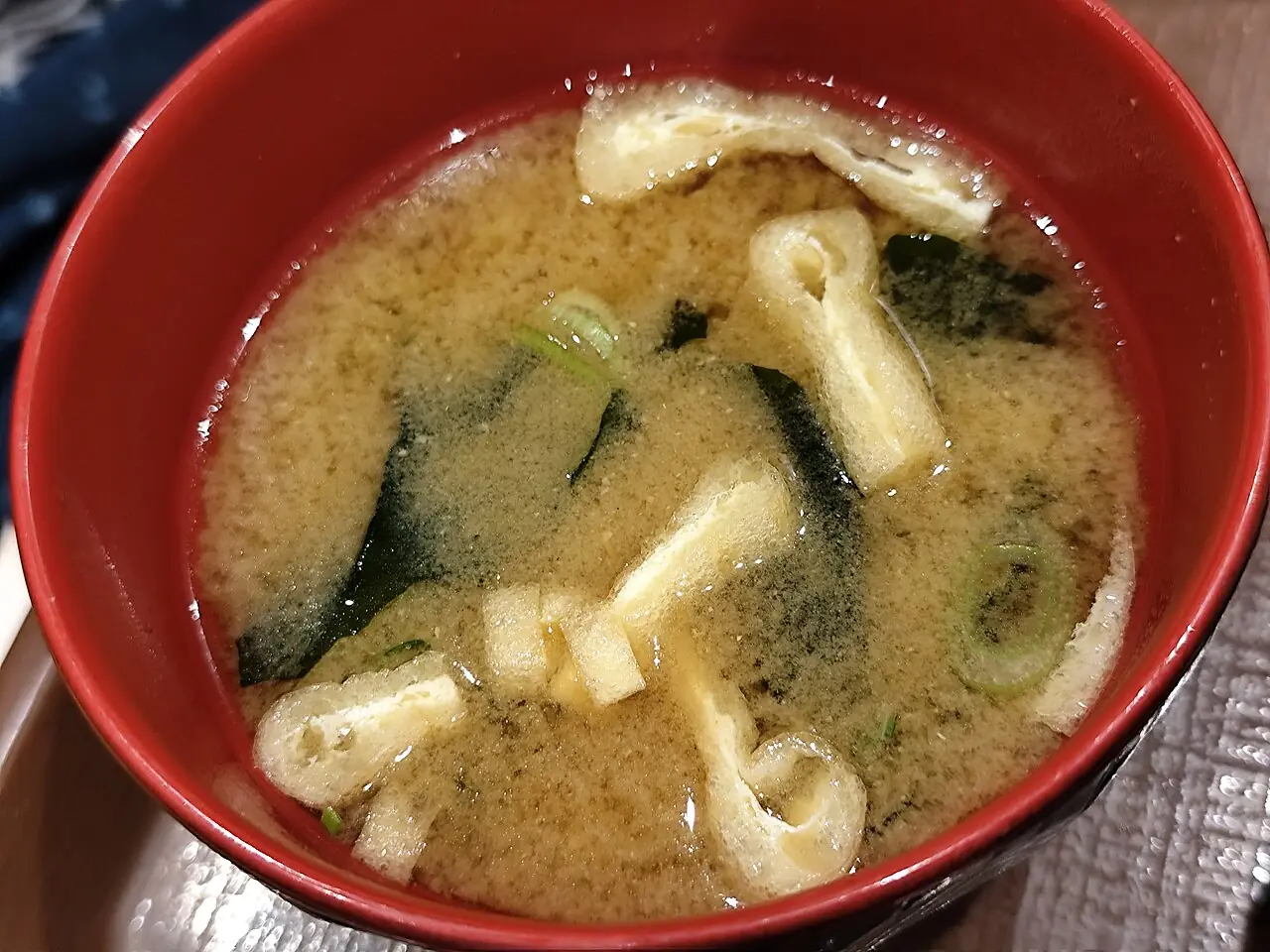
Umami (鲜味, xiān wèi) is the fifth fundamental taste, distinct from sweet, sour, bitter, and salty. The Chinese character 鲜 (xiān) is composed of 鱼 (yú, fish) and 羊 (yáng, sheep), evoking a pairing that produces a flavor greater than the sum of its parts. The term 鲜味 literally means fresh taste or savory flavor, capturing the sense of mouthwatering deliciousness that arises from certain foods. As a Chinese culinary term 鲜 means fresh, delicious, lively — the quality of a good stock or a just-caught fish.
The cultural significance of umami in Chinese tradition extends beyond simple flavor preference into a deep understanding of how ingredients transform and interact over time. Fermentation is one important route to it: the microbial breakdown of proteins releases free amino acids, especially glutamate, which is why aged soy sauce, fermented bean curd and fermented tea taste so savory. Fermentation is one route to developing umami, but it is not required: non-fermented ingredients can also supply umami tastants. Kombu is the clearest case, since it is what led Ikeda to glutamate in 1908, and dried shiitake is another, carrying guanylate. The Atlas therefore keeps three things apart: umami as a taste, the substances that trigger it, and the processes that change how much of those substances a food contains.
Umami manifests in everyday Chinese ingredients and dishes across a wide spectrum. Soy sauce, the foundational condiment of Chinese cooking, derives its deep savory character from months of koji-driven fermentation that releases glutamates and nucleotides. Prepared tofu is a starting material for fermented products such as furu and stinky tofu, where fermentation develops the flavor; fresh tofu is mild and takes on savoriness from what it is cooked with rather than producing much of its own. Aged and fermented teas such as pu-erh likewise deepen in flavor over time. Sichuan pepper is prized for its numbing sensation, and whether it also changes how strongly umami is perceived is a separate question that this page does not settle. Salt is not an umami substance; it is a seasoning. These ingredients work together in Chinese cooking to build layered, savory profiles.
The idea that umami is a basic taste was not widely accepted outside Japan for much of the twentieth century. Recognition of umami as a basic taste developed over decades, and receptor studies around 2000 and in subsequent years strengthened the physiological evidence. Umami is counted as a basic taste today because it has its own receptors, rather than arising from a combination of the other four. Glutamate is one substance that triggers those receptors; the nucleotides inosinate and guanylate are others. In contemporary gastronomy, umami is understood as the key to creating satisfying plant-based dishes, since it provides the savory depth that meat traditionally supplies. Chefs around the world deliberately build umami through fermentation, aging, and the strategic combination of ingredients high in glutamates and free nucleotides, a practice that mirrors traditional Chinese flavor pairing. The modern revival of fermentation techniques in fine dining and home cooking alike reflects a growing appreciation for the chemical wisdom embedded in historical culinary practices.
In The Way of Nature Atlas, umami is treated as a taste category rather than a particular ingredient: it links the fermented seasonings of the region back to the ingredients that supply them, and it is the clearest everyday example of a taste being described long before it was explained. It connects tea and fermentation as allied processes of microbial transformation, links soy sauce to the ingredients whose flavor it deepens, and ties salt and tofu to the foundational chemistry of taste. Umami is the taste of time working on matter, a sensory node through which the atlas explores how Chinese cuisine transforms simple ingredients into experiences of profound savor.
Taste, tastants and process: three different things
Umami is usually explained through a list of ingredients, which blurs three separate questions. This table separates them, because conflating them is what makes claims like "fermentation creates umami" sound complete when they are not.
| Layer | What it is | Examples | Why it matters |
| The taste, the substances and the process |
| Umami (うま味) — a taste | One of the basic tastes, detected by its own receptors rather than by a combination of the other four. | Named as a distinct taste in Japan in 1908; a dedicated umami receptor identified in 2000. | It is a category of perception. It is neither a substance nor an ingredient, and no single ingredient defines it. |
| Glutamate, inosinate, guanylate — the tastants | Compounds that trigger the umami receptors. Glutamate is an amino acid; inosinate and guanylate are nucleotides. | Glutamate in kombu; inosinate in katsuobushi; guanylate in dried shiitake. | These are what a food actually contains. A food can be savory because it already holds them — not only because it was fermented. |
| Fermentation — a process | A microbial transformation that can raise (or lower) the free glutamate and nucleotide content of a food. | Soy sauce, furu, fish sauce, fermented tea. | One route to umami, and not a necessary one: kombu and dried shiitake are savory without fermentation. |
The distinction between うま味 (a basic taste) and 旨味 (the deliciousness of a food), the 1908 naming by Ikeda Kikunae, and the subsequent identifications of inosinate (1913) and guanylate (1957) follow a Japanese terminology glossary entry, "うま味 (umami)", entry no. 188, https://jsrae.or.jp/annai/yougo/188.html. The definition of umami as a basic taste and the role of receptor and ligand discovery follow PMC6356469 (Nutrients, 2019); the distinction between the taste and the tastant substances follows PMC9314127 (Journal of Food Science, 2022); the history of the term and its slow acceptance outside Japan follows the Science History Institute, Distillations, "The Science of Satisfaction".