Camellia backdrop
Entity Profile

Camellia

Plant Level 1 — Concrete The Way of Nature Atlas ↗ #plant #east-asia #flower #tea

Camellia (山茶) is a genus of flowering plants in the family Theaceae, native to East Asia, best known as the source of tea (Camellia sinensis) and as ornamental garden plants.

Plant
primary type
Level 1
Concrete entity
3
relationships mapped
Overview

About Camellia

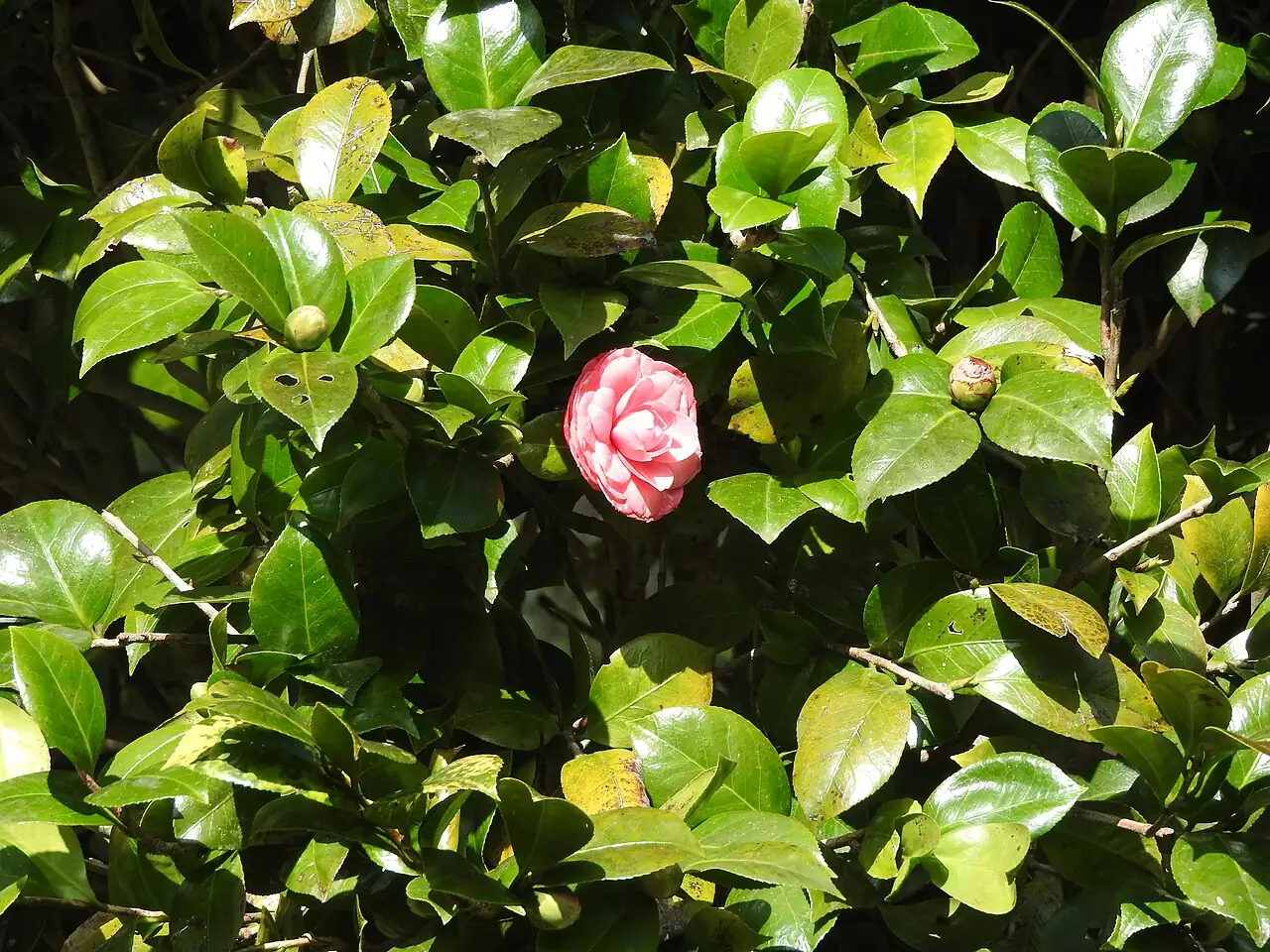
Camellia (山茶, shānchá) is a genus of evergreen shrubs and small trees in the tea family (Theaceae), comprising over 200 species native to East and Southeast Asia. The genus is most famously represented by Camellia sinensis, the leaves of which are processed to produce all traditional varieties of tea—green, black, oolong, white, and pu-erh. Other species, such as Camellia japonica and Camellia sasanqua, are cultivated primarily as ornamental plants, prized for their showy flowers that bloom from autumn through spring.

Camellias thrive in acidic, well-drained soils with partial shade, typical of the forest understories of southern China, Japan, and Korea. They are slow-growing but long-lived, with some cultivated specimens surviving for centuries. The flowers range from white to deep red, with single, semi-double, and double forms, and they hold special significance in East Asian horticulture. In Japan, camellia (椿, tsubaki) symbolizes the divine and is often planted around Shinto shrines.

The cultural importance of camellia is profound and layered. Beyond tea production, camellia flowers have been celebrated in Chinese and Japanese art for centuries, appearing in silk paintings, woodblock prints, and poetry. Camellia oil (山茶油, shānchá yóu), cold-pressed from the seeds of Camellia oleifera, is a traditional cooking oil and hair treatment in southern China, valued for its high smoke point and rich oleic acid content. In traditional Chinese medicine, camellia flowers and leaves are used for their astringent and anti-inflammatory properties.

Camellia sinensis, the tea plant, has shaped global history—driving trade routes, influencing diplomacy, and inspiring entire cultural ceremonies. The plant's natural range extends from Yunnan province in China through northern Myanmar and into Assam, India. Today, camellia is cultivated on every continent except Antarctica, making it one of the most economically significant ornamental and agricultural plant genera in the world.
Relationship Network

How Camellia connects

Each relationship represents a meaningful semantic link between Camellia and other entities in the Atlas knowledge graph.

Entity Constellation

Entities connected to Camellia

These entities share semantic relationships with Camellia in the Atlas knowledge graph.

Naming

Also known as

山茶 (synonym) Shānchá (synonym) Camellia (synonym) Tsubaki (Japanese) (synonym) 동백꽃 (Korean) (synonym)
Atlas Role

Camellia in the Atlas

What this entity provides

Camellia (山茶) is the Atlas's foundational botanical entity for the entire tea domain. As the genus that includes Camellia sinensis—source of all traditional teas (green, black, oolong, white, pu-erh)—it anchors the Plant→Ingredient pipeline. Beyond tea, camellia oil and ornamental varieties connect to Jiangnan horticulture, TCM, and East Asian visual art.

What it does NOT duplicate
  • tea (茶)—which is the processed ingredient, not the living plant
  • green-tea/black-tea—which are specific processed products of C. sinensis
Subsite References
tea-culture

Every tea variety in the Atlas—green, black, oolong—traces back to this single genus.

dao-of-seasons

Camellia flowers bloom from autumn through spring, marking seasonal transitions in temple gardens.

Sources & References

References for Camellia

Visual Gallery

Camellia in imagery

Camellia — visual reference
Watch

See Camellia in motion

Gardening Australia · 55K views · YouTube ↗

Tea Pursuit · 21K views · YouTube ↗

Owner Site

The Way of Nature Atlas

Central Atlas — provides Overview pages for all entities. Does not produce original entity content, only aggregates and references.

ConceptCraftMountainRiverFestival